For those who have spent even a little time delving into Austen’s life, it comes as no surprise to hear that she had family connections and acquaintances that spanned to the highest reaches of British Society in the Georgian and Regency periods. Best known of course is how greatly she was admired by the Prince Regent, future George IV, who invited her to Carlton House, his London home, where Jane was met by Rev. James Stanier Clarke, the Prince Regent’s librarian to discuss her works and bestow upon her the rather lackluster honor of dedicating her next book to him. Perhaps only second to this is Austen’s longstanding connection to the Hastings family, mainly Warren Hastings, who was Governor General of Bengal (a controversial figure) but who has also been thought to be the father of Jane’s cousin, the gregarious and sparkling Eliza de Feuillide. (More on both to come in future posts!)
Whereas Austen’s family was connected to wealth, and while in comparison to the majority of the population in England at the time, we absolutely must consider Austen to be quite wealthy indeed, within the sphere of her social class – the landed gentry – Austen’s family were not wealthy at all. Comfortable, perhaps, but only because Jane’s father, the Rev. George Austen, provided boarding and education for young men. It is to one of these less-known characters that we now turn, and interestingly, the first of the Austen’s boarders.
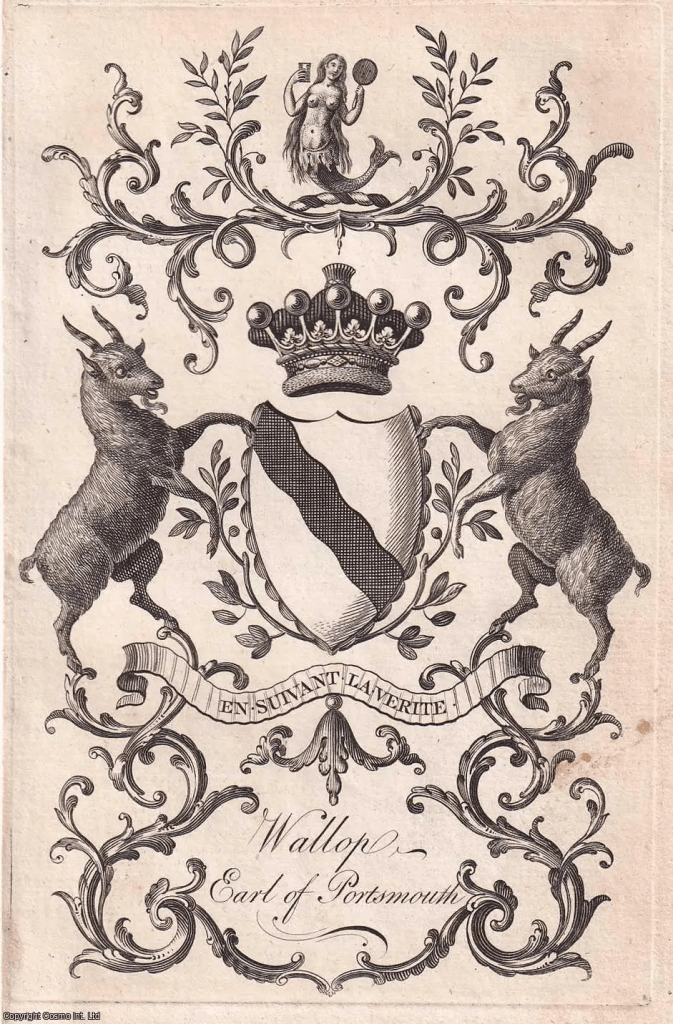
John Charles Wallop, the 3rd Earl of Portsmouth.
Little John came to the Austens at just 5 years of age in 1773, two years before Jane was born. He stayed only a few months with the Austens as his mother felt his stammer to be worsening. However, they must have remained close – his home at Hurstbourne Park – was only 10 miles from the Austen home, and throughout his life, he sent the Austens a yearly invitation to the Portsmouth Ball. Here is an excerpt from a letter sent by Jane to Cassandra regarding an encounter: “I heard no news, except that Mr. Peters, who was not there, is supposed to be particularly attentive to Miss Lyford. You were inquired after very prettily, and I hope the whole assembly now understands that you are gone into Kent, which the families in general seemed to meet in ignorance of. Lord Portsmouth surpassed the rest in his attentive recollection of you, inquired more into the length of your absence, and concluded by desiring to be “remembered to you when I wrote next.”” (Full text of letter available here: XXIII)
All seems well, right? Sadly, no. Poor little John would lead a troubled childhood which might have passed as nothing more than pranks by an entitled child – pinching servants, pushing them into hedges, etc. But later, he attempted to hang another child from the village belltower and fought with Lord Byron when they were at school together. Perhaps best known of his exploits was the rumor that he drank the blood of his servants, earning him the title of the Vampyre Earl. He was formally declared insane in 1823, though in that trial, it was determined that he had been so since 1809.
Below are some additional links to information regarding this interesting figure from Austen’s life:
“9 Suprising Jane Austen Facts”
“The Strange Case of The Vampyre Lord of Hurstbourne Priors” from Time Detectives
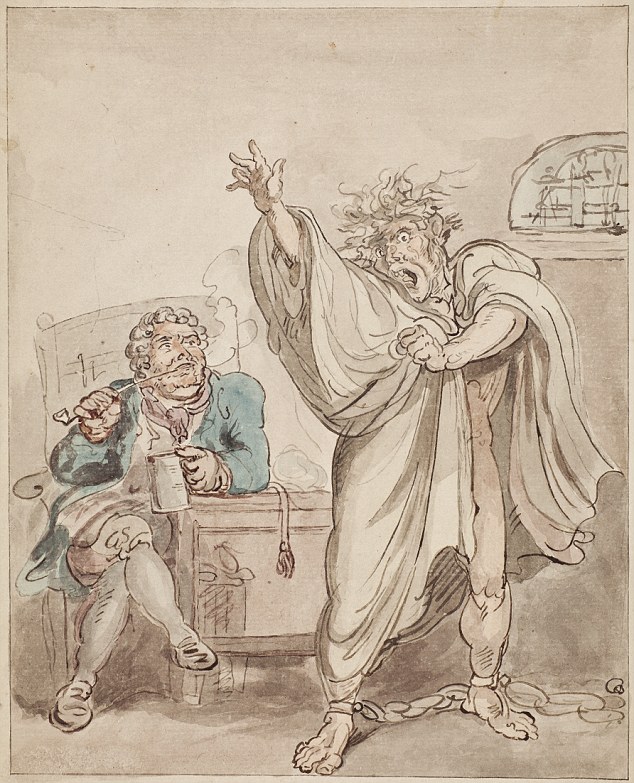
Title image by Thomas Rowlandson, “The Lunatic.”
 A Life in Austen
Leave a comment